Cultural Perspectives on Food and Nutrition
An examination of how cultural heritage, traditional practices, and regional food systems have shaped nutritional approaches across different societies and time periods.

An examination of how cultural heritage, traditional practices, and regional food systems have shaped nutritional approaches across different societies and time periods.
Food practices are deeply embedded in cultural identity, reflecting values, traditions, and the natural resources of geographic regions. What people eat represents far more than nutritional necessity—it embodies cultural knowledge accumulated over generations.
Traditional food patterns often reflect sophisticated understanding of local agriculture, seasonal availability, and nutritional principles developed through long historical practice. This accumulated knowledge represents a form of cultural capital worth understanding and respecting.
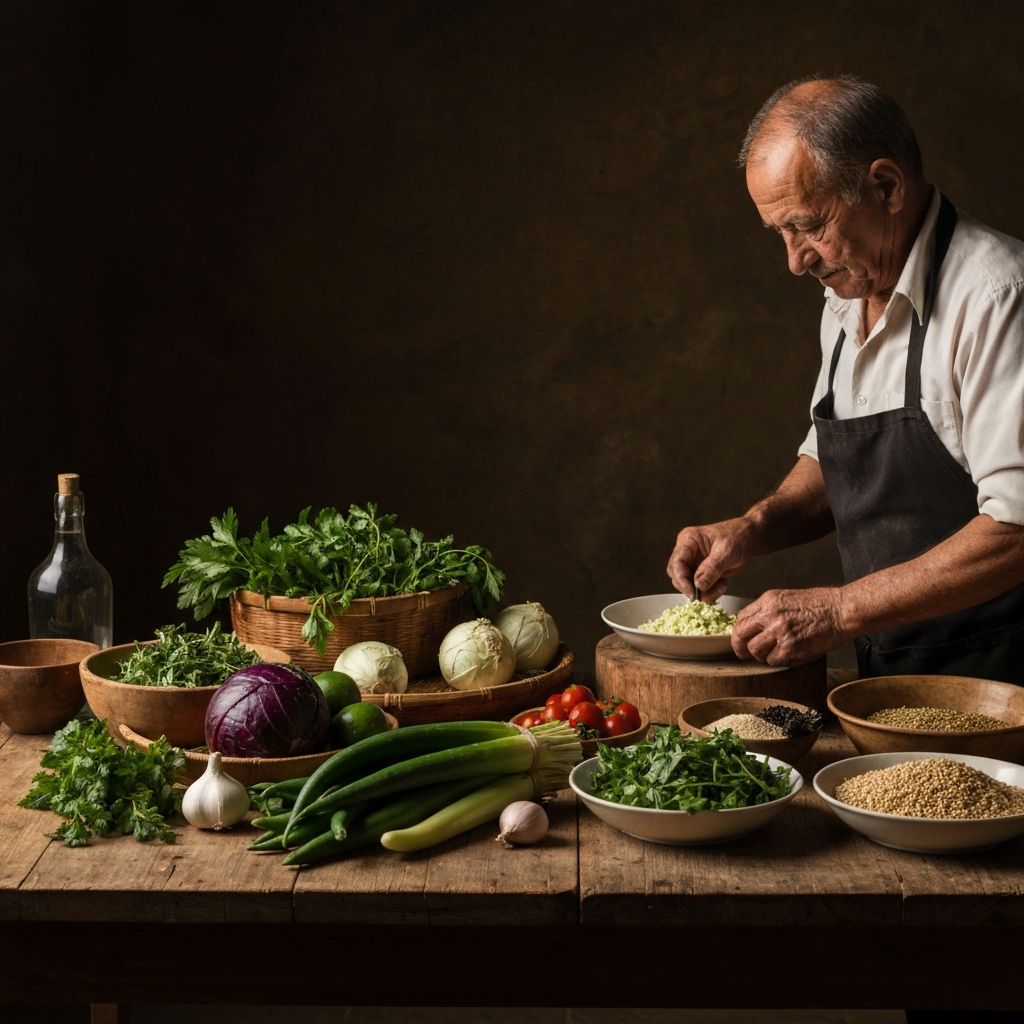
Mediterranean food traditions emphasize abundant plant foods, moderate amounts of fish and poultry, limited red meat, and healthy fats primarily from olive oil. These patterns emerged from regional agriculture and have been associated with long-term health outcomes in research studies.
Asian cuisines encompass diverse approaches including emphasis on grains and legumes, varied vegetable consumption, moderate seafood and animal products, and fermented foods. These traditions reflect adaptation to regional climates and agricultural possibilities.
African and diaspora food traditions emphasize seasonal produce, legumes, whole grains, and communal food practices. These traditions represent agricultural knowledge and cultural practices adapted across different environments.
Indigenous food systems worldwide demonstrate sophisticated adaptation to local ecosystems, featuring foods that sustained populations for centuries. Understanding these systems reveals the depth of nutritional knowledge embedded in cultural practice.
Many cultures have developed fermentation practices that preserve foods and create bioactive compounds. Fermented foods including yogurt, sauerkraut, miso, and kimchi represent nutritional innovations developed through cultural practice.
Legumes are foundational to many traditional cuisines, providing complete proteins, fiber, and micronutrients. Cultural knowledge about legume preparation and combination reflects understanding of nutritional complementarity.
Whole grains including quinoa, amaranth, millet, and teff are staples in many cultures. These foods represent nutritional adequacy and reflect agricultural adaptation to diverse climates and elevations.
Traditional cultures structured eating around seasonal availability, naturally creating dietary diversity across the year. This practice reflects both nutritional wisdom and environmental adaptation.
Historical processes including colonialism and contemporary globalization have significantly altered traditional food systems. In many cases, these changes have reduced dietary diversity and introduced processed foods, with associated health impacts in affected communities.
Understanding this history provides context for the importance of food sovereignty and the preservation of traditional food knowledge. It also highlights how nutritional outcomes are shaped by historical and economic forces beyond individual choice.
"Traditional food practices represent accumulated wisdom about nutrition, agriculture, and community. Respecting cultural food knowledge while adapting to individual preferences honors both heritage and personal autonomy."
Many cultures emphasize communal eating practices, where meals are social and relational events. Research suggests that social eating contexts support both nutritional adequacy and mental health.
Traditional food preparation skills—cooking from whole ingredients, fermentation, preservation—represent nutritional knowledge. The loss of these skills in some communities has coincided with increased processed food consumption.
Cultural traditions often embed respect and gratitude into food practices—honoring the people who grew or prepared food, acknowledging environmental resources. These practices reflect values that can support sustainable and conscious eating.
This article provides educational context about cultural food traditions and their nutritional and historical significance. It is not prescriptive guidance about individual food choices. Food decisions are deeply personal and reflect individual preferences, circumstances, and values. Respect for cultural traditions should be balanced with individual autonomy in food selection.